
Why Colleges and Universities Must Intentionally Build Community Beyond Campus Walls
In higher education today, a growing body of evidence and practice shows that building strong community among students, faculty, and staff isn’t just a “nice to have”; it’s central to institutional success.

Universities and colleges are not just places of academic instruction; they are ecosystems where human, intellectual, and social development intersect.
Fostering a sense of belonging, encouraging collaboration, and strengthening interpersonal relationships significantly improve student retention, academic outcomes, organizational resilience, and long-term alumni engagement.
Yet, traditional structures of campus life: the classrooms, the lecture halls, the residence halls, and the routine meetings, reinforce functional interaction rather than relational connection.
Tap Into Community Strength, Creativity, and Purpose.
Students study together, faculty collaborate on research, and staff coordinate operations, but these interactions frequently happen within the confines of the usual campus environment, where attention is fragmented, and obligations compete for focus. This is where off-campus retreats and purposeful time away from the everyday context can unlock deeper community strength, creativity, and shared purpose.
Community, Belonging, and Institutional Success
The concept of community is not abstract. Research in education and organizational psychology consistently demonstrates that when people feel genuinely connected to one another, multiple positive outcomes follow:

1. Enhanced Engagement and Retention
Students who feel connected to peers and institutional culture are more likely to stay enrolled and succeed academically. A sense of belonging fostered through meaningful relationships is a key predictor of retention and academic persistence.
2. Stronger Leadership and Collaborative Skills
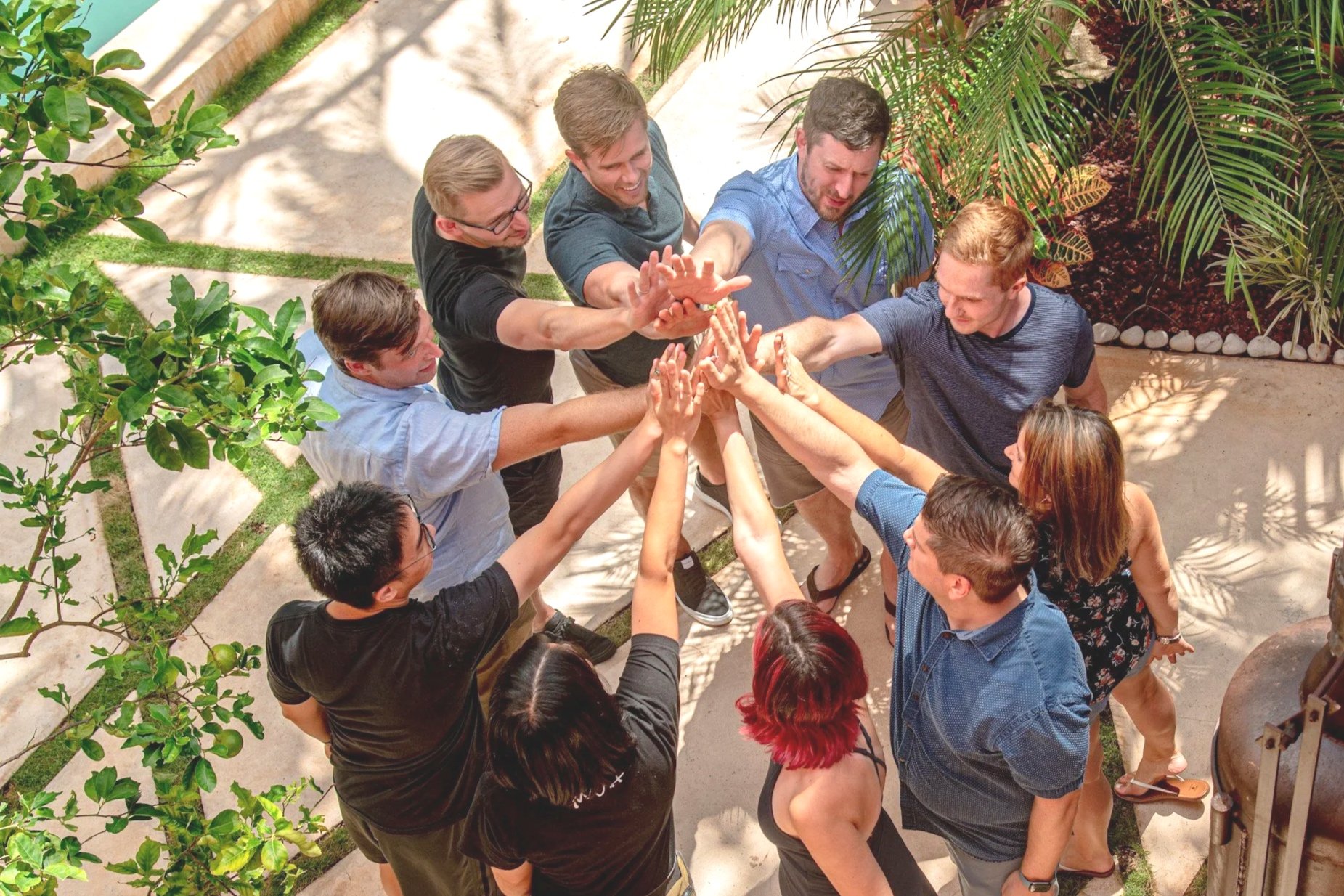
Group experiences outside regular routines create space for leadership emergence, teamwork, and shared decision-making in ways that formal classroom environments often cannot. Retreat settings help participants build skills that transfer back to campus.

3. Stress Reduction and Mental Well-Being
Off-campus retreats reduce digital distractions and create reflective spaces, allowing immersion in nature or supporting emotional resilience and cognitive restoration. Nature-based group experiences last beyond the time spent in the retreat.

4. Creative and Strategic Thinking
When groups remove themselves from the day-to-day pressures of campus life, they gain the mental bandwidth to think creatively and strategically about future direction, whether that’s projects, curriculum innovation, or institutional goals.
These benefits are widely recognized in corporate, nonprofit, and educational settings alike: stepping out of the usual environment facilitates trust, breaks down silos, and gives participants space to see one another as whole people, not just roles or titles.

Craigville Beach at Sunset on Cape Cod, Craigville Retreat Center
Why Retreats Work: The Collective Pause
Regular campus life is packed with deadlines, a series of courses, graded assignments, and continuous responsibilities for both students and faculty. In contrast, retreats offer a “collective pause”; a chunk of time that’s intentionally set aside for deeper engagement, reflection, and connection.
Retreats differ from everyday activities in four important ways:
Escape from Routine and Distraction
In retreat settings, especially ones immersed in natural surroundings, people are not juggling multiple calendars or screens. This removal from distraction fosters focus and meaningful engagement in conversations and activities.Shared Experience that Build Trust
Sharing meals, hikes, workshops, or creative sessions creates memories and emotional bonds that far outlast isolated interactions on campus. Group retreats build camaraderie through shared experiences, leading to improved cooperation when participants return to campus tasks.Space for Reflection and Renewal
Personal reflection — on identity, purpose, goals — is difficult when immersed in the daily grind. Retreats offer the time and space to think deeply about oneself, one’s role in the institution, and one’s relationships with others.Intentional Interaction
Schedules in retreat settings can be structured to balance facilitated sessions with free time, giving participants both guided reflection and organic opportunities to deepen connections.
The result across these aspects is not just camaraderie but community strength: people return to campus better connected, more collaborative, and more aligned.
Craigville Retreat Center: A Model Environment for Institutional Community Building
Nestled in Craigville Village, Massachusetts, on Cape Cod, the Craigville Retreat Center, is a compelling example of a location ideal for higher education community retreats. Open year-round, Craigville offers natural beauty, lodging, dining, and ample flexible meeting and gathering spaces, creating an environment that supports reflection, connection, and institutional growth.
A Peaceful, Natural Setting
Craigville sits on a bluff overlooking the salt marsh of Nantucket Sound and the tranquil Red Lily Pond, with private beach access and scenic walking areas within the village.
This setting promotes mental restoration and a connection with nature, conditions proven to support emotional well-being and social bonding during group retreats.
Flexible and Inclusive Accommodations
The venue offers a wide range of lodging options from cottages and apartments to larger residential spaces and meeting halls, making it suitable for student organizations, faculty retreats, departmental strategy sessions, leadership workshops, and cross-functional group gatherings.
The variety of indoor and outdoor gathering spaces also supports both structured reflection and informal interaction among participants.
Supportive Hospitality and Logistics
Craigville’s experienced staff handles meal service, planning logistics, and facility coordination, allowing organizers and participants to focus on community goals rather than operational details.
This is particularly important for educational institutions, where administrative teams are often stretched thin; having logistical support at the retreat site reduces the hidden costs of planning and execution.
A Community Beyond the Retreat Itself
Craigville’s broader community includes walkable village spaces, trails, sports facilities, and nature experiences. These environments facilitate both structured and spontaneous interactions from small-group reflection circles around Red Lily Pond to after-dinner walks to the beach.
Why Mid-Week Retreats Often Outperform Weekends
A key consideration in planning any retreat, including those for colleges and universities, is timing. While weekend retreats are common, mid-week retreats offer distinct advantages that make them especially effective for institutional community building:

1. Better Focus and Engagement
Participants attending a midweek retreat are less mentally checked out than those attending a weekend retreat. Research on corporate retreat planning shows that midweek timing taps into a “sweet spot” where attendees have energy.
This translates well to an academic setting for students and faculty arriving midweek, enabling deep engagement with retreat agendas.

2. Reduced Personal Time Cost
Weekend retreats compete with personal obligations such as family commitments, social plans, or chores, which can reduce participation or divide attention.
Midweek retreats, though they involve taking time away from daily responsibilities, are seen as institutionally sanctioned work time, making it easier for participants to justify the commitment without losing precious weekend hours.

3. Immediate Re-Entry into Daily Life
When a retreat ends midweek, participants often return to campus tasks with momentum that can be applied immediately.
This continuity fosters the implementation of new ideas, renewed commitments, and strengthened connections more rapidly compared to returning after a long weekend.
Good education values and fosters the making of this type of community.
Mid-week timing conveys to participants that the retreat is not an optional add-on but an integral part of the institution’s operational and strategic rhythm, a powerful signal that the institution values community building as a core part of its mission.
Benefits Far Outweigh Time, Travel, and Cost
Some may hesitate at the prospect of retreat travel, time away from campus, the investment in lodging and meals, and the logistical coordination required. However, the benefits almost always outweigh these costs:
Stronger Social Networks
Participants build bonds that persist long after the retreat, helping to reduce friction, increase collaboration, and improve interpersonal support.Holistic Well-Being
Retreats promote reflection and stress relief, helping constituents return to campus refreshed and better equipped to engage both academically and socially.Higher Program Impact
Whether for student organizations, departmental meetings, or faculty collaborations, retreats help groups achieve deeper alignment and clarity on goals, informed by uninterrupted time for planning and dialogue.Leadership Development
Emerging leaders gain skills through facilitation, shared responsibilities, and interactive challenges that are difficult to cultivate solely in a classroom or office setting.Long-Term Institutional Payoff
Enhanced student retention, improved faculty/staff morale, and stronger alumni networks all trace back to investments in community experiences that create lasting social capital.
Conclusion: Retreats as Strategic Growth Catalysts
Colleges and universities that prioritize community development set themselves up for long-term success. The most effective community building happens when people step out of their regular institutional environment, giving them the freedom to connect deeply, see one another authentically, and collaborate without distraction.
Retreat centers like Craigville Retreat Center offer the ideal environment for these experiences: beautiful, supportive, and intentionally designed to foster connection, reflection, and renewal.
And when institutions plan these retreats mid-week, they gain not only better engagement and focus but also demonstrate a commitment to community that transcends the traditional academic calendar.
In a world where higher education faces numerous challenges, from mental health pressures and retention struggles to the need for meaningful collaboration, retreat experiences aren’t a luxury. They are critical investments in people, culture, and institutional resilience.