
Across the country, nonprofit leaders are navigating one of the most complex operating environments in recent memory.
See the Free Retreat Agenda Download below.

We stepped away to think clearly together.
This moment is not just about resilience. It is about clarity.
What many hoped would be a period of post-pandemic stabilization has instead become a time of compounding pressures: financial uncertainty, rising demand for services, workforce strain, and an increasingly unpredictable funding landscape.
While these challenges are widely felt, what’s less often discussed is how they are impacting decision-making at the leadership level, and what organizations can do to respond effectively.
A Perfect Storm of Pressure
Several converging factors are reshaping the nonprofit sector nationwide.
Instability
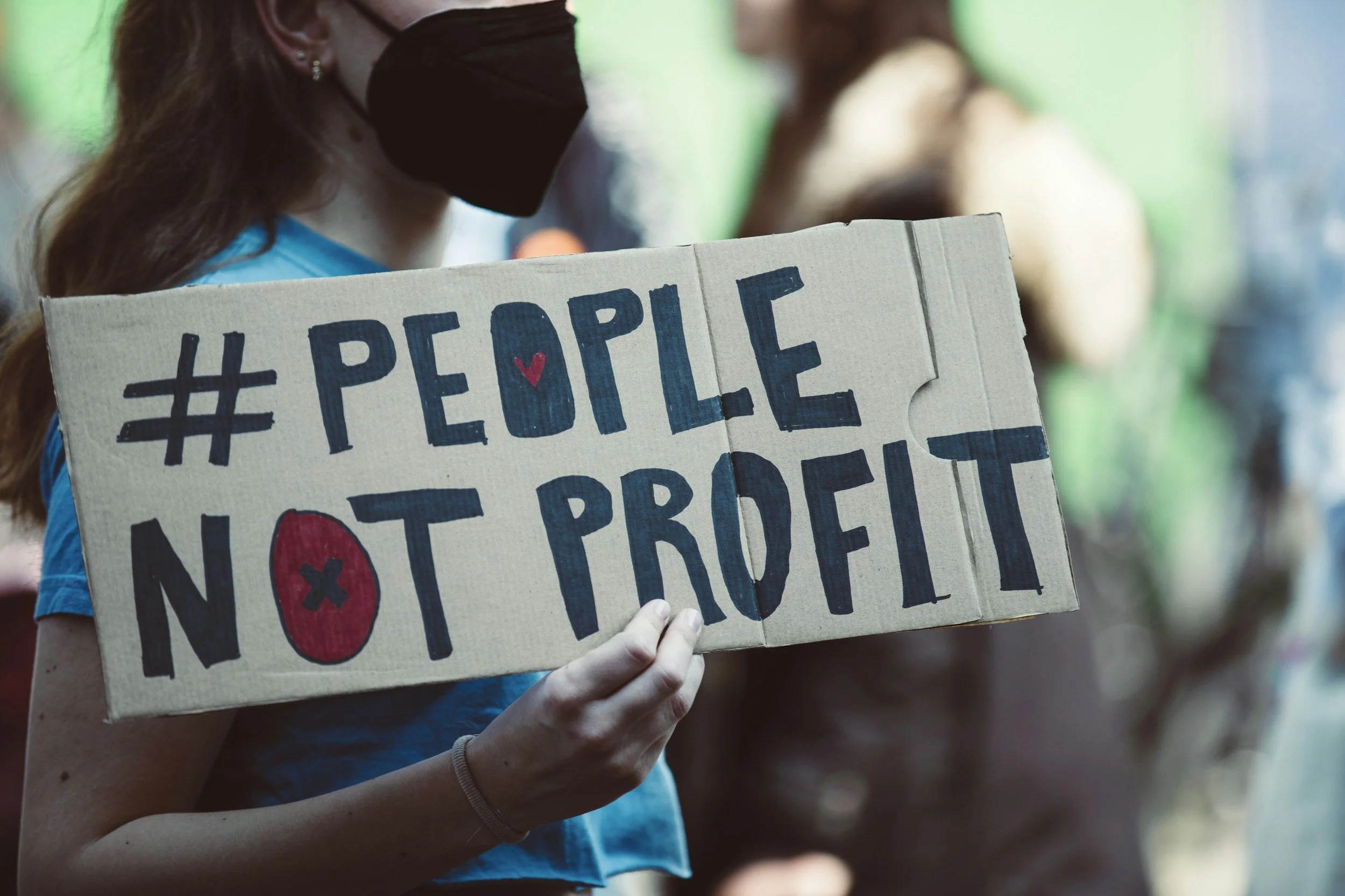
First, financial uncertainty continues to create instability. Funding at the federal and state levels has become more unpredictable, with delays and reductions affecting a wide range of nonprofit services.
Many organizations are finding it harder to secure sustainable, long-term funding.
Rising Demand
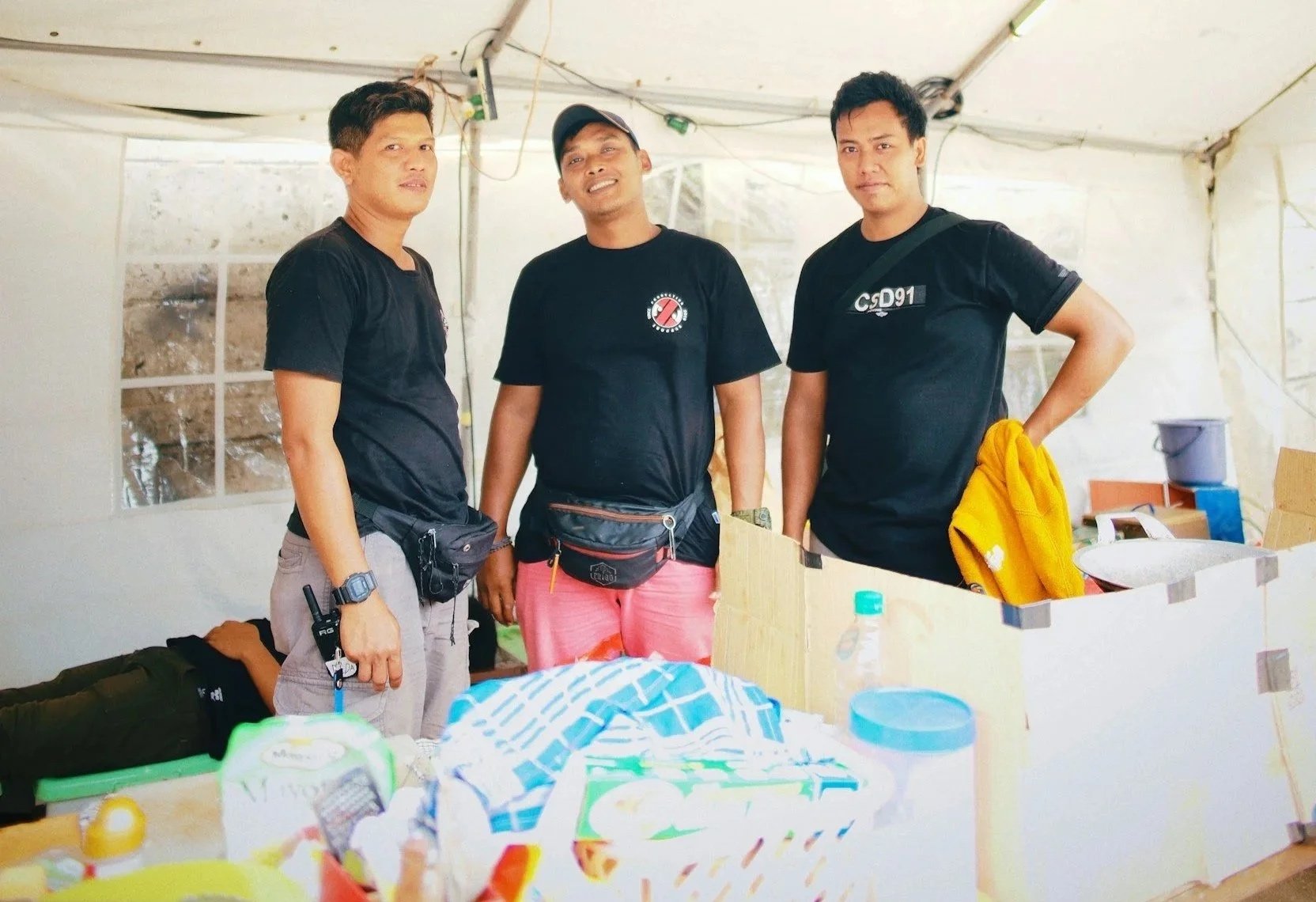
Second, demand for nonprofit services is rising. Organizations are being asked to serve more people, often with fewer resources.
Whether it’s housing support, food security, youth development, education, or mental health services, the need continues to grow—and quickly.

High Stakes Decisions
Third, many nonprofits are experiencing internal strain. Staffing shortages, burnout, and limited financial reserves are putting pressure on teams.
Leaders are being asked to make high-stakes decisions while also managing day-to-day operations, often without the time or space to step back and think strategically.
Taken together, these dynamics are pushing organizations into a reactive mode, focusing on immediate needs rather than long-term direction.
The Hidden Risk: Operating Without Strategic Clarity
When organizations are under pressure, it’s natural to focus on what feels most urgent. But over time, this can lead to a dangerous pattern: constant reaction without clear prioritization.
Leaders may find themselves asking:
Which programs should we expand, maintain, or pause?
How do we plan for funding uncertainty without overcorrecting?
Where should we invest limited staff capacity?
What partnerships or collaborations are worth pursuing?
How do we protect our team from burnout while still meeting demand?
Without time to thoughtfully consider, organizations risk:
Misaligned leadership teams
Fragmented decision-making
Burnout and staff turnover
Missed opportunities for funding or collaboration
Strategic drift at a time when focus matters most
In short, the cost of not creating space for clarity can be impactful.
Why “Business as Usual” Isn’t Enough
In more stable times, strategic planning might happen once a year, supported by periodic check-ins. Today, that cadence is often insufficient.
The pace of change is simply too fast.
Funding shifts, policy changes, and community needs are evolving in real time. Leaders are being asked to adapt quickly, but without alignment, adaptation can create confusion and inefficiency.
What’s needed now is not just planning, it’s intentional, focused time to think, align, and decide.

Sometimes the most important step forward begins by stepping away.
In high-pressure moments, stepping away is not a luxury, it’s a leadership necessity.
The Case for Stepping Away
For many nonprofit leaders, the idea of stepping away—even for a few days—can feel unrealistic. But the reality is this:
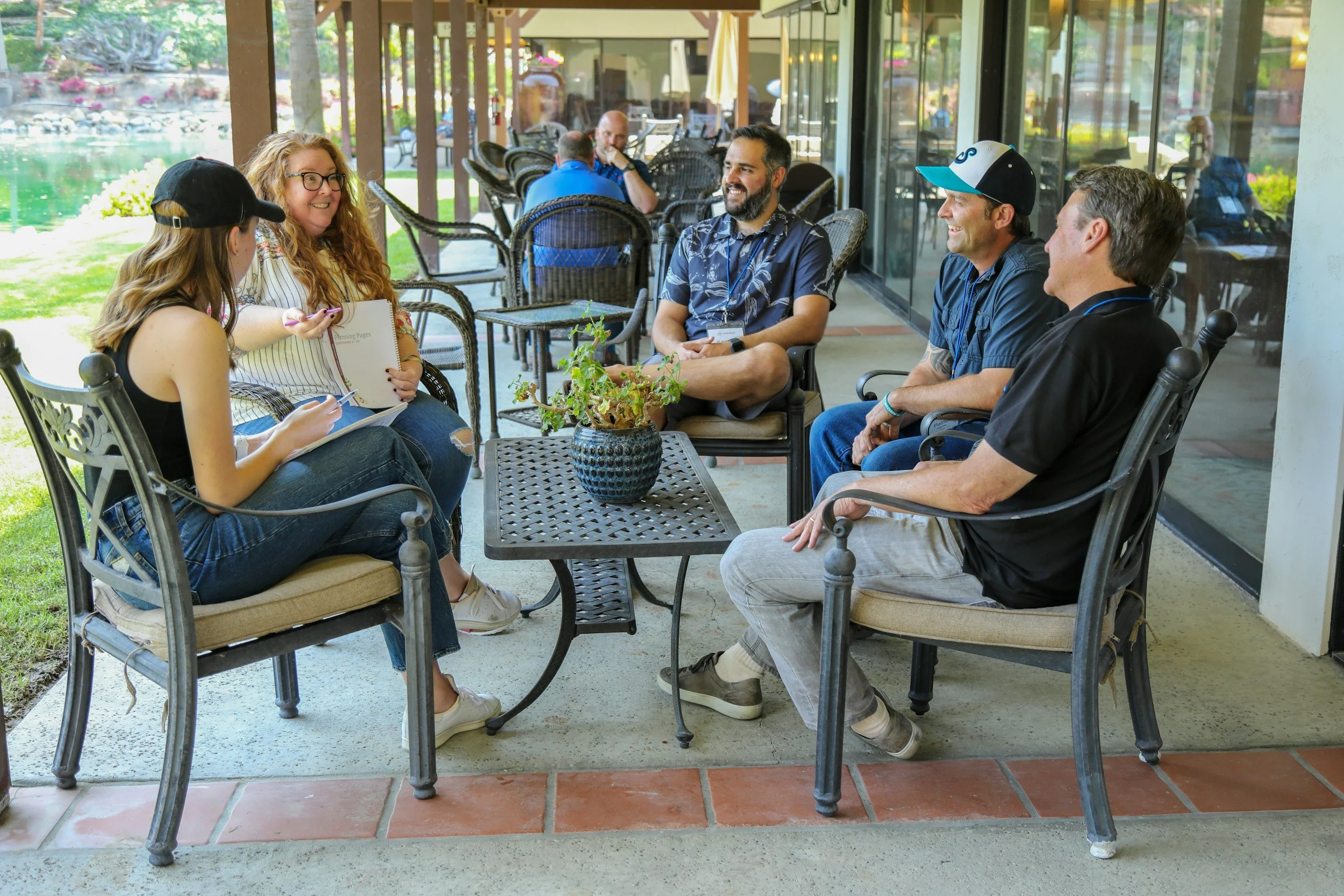
Create dedicated time to:
Move from reactive to proactive decision-making
Align leadership teams around shared priorities
Evaluate programs and resources more effectively
Strengthen internal communication and trust
Develop clear, actionable plans for the months ahead
Just as importantly, it gives leaders the opportunity to reconnect with their mission and with each other.

Why Midweek Retreats Are Especially Effective
Fewer distractions and interruptions
Greater availability of key decision-makers
A natural alignment with organizational workflows
More cost-effective options compared to peak times
Most importantly, they create a structured opportunity to pause, reflect, and move forward with intention.
Unlike weekends, which are often reserved for programming, events, or personal commitments, midweek time is when leadership teams are already in “work mode.” This makes it easier to focus on strategic priorities without the competing demands that weekends often bring.
Why Camp and Retreat Centers Are Uniquely Effective
Not all off-site locations are equally suited for strategic work. Camp and retreat centers that specialize in serving nonprofits offer a unique combination of elements that support both focus and connection.
Unlike hotels, these environments are intentionally designed to bring groups together in meaningful ways.
Separation from daily distractions without being difficult to access
Flexible meeting spaces that support both large-group and small-team work
Natural surroundings that help reduce stress and encourage clearer thinking
Shared lodging and dining experiences that foster stronger relationships and trust
Room for both structured sessions and informal conversation, where many of the most valuable insights emerge
This balance of productivity and renewal is particularly important for nonprofit teams, who are often navigating both strategic challenges and emotional fatigue.
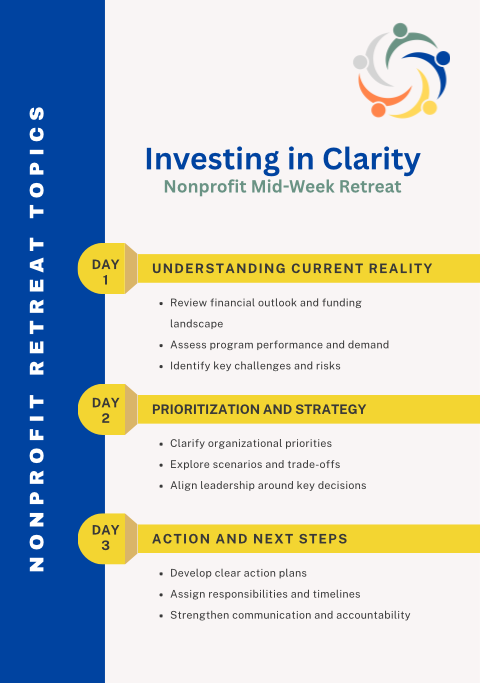
Mid-Week Retreat • Invest in Clarity • PDF Download
In a time of limited resources, every investment matters. For some organizations, the idea of dedicating funds to a retreat may feel difficult to justify.
But it’s worth considering the alternative.
What is the cost of:
A misaligned leadership team?
A missed funding opportunity?
Staff turnover due to burnout?
Programs that continue without a clear impact?
When viewed through this lens, investing in strategic clarity becomes not just worthwhile—but essential.
This kind of focused time can create momentum that carries forward long after the retreat ends.
Moving Forward with Intention
Nonprofits are doing critical work under challenging conditions. The need for their services is real, and their impact is significant.
But sustaining that impact requires more than hard work. It requires clear thinking, aligned leadership, and intentional decision-making.