
Leading a Retreat: 6 Essential Planning Tips
Anyone can lead a retreat, right?
Right!
Experienced program leaders know how to earn glowing reviews and deliver excellent results with these six tips.
After all, leading a retreat is more than just organizing logistics. It's about creating an immersive and transformative experience that resonates profoundly with each participant.
Yet, at the heart of meeting participants' needs lies the art of retreat leadership – a delicate blend of hospitality, facilitation, and inspiration to guide participants through self-discovery and growth.
Here are six exceptional tips to raise your retreat leadership to an expert level

1. Understand Your Intention
The program intends to bring clarity and practical inspiration to a retreat.
The foundation of any successful retreat lies in its intention. Gaining clarity on this before embarking on the journey of leading a retreat is essential. Whether fostering personal growth, deepening spiritual practice, or promoting wellness, clearly articulating the intention sets the tone for the entire experience. It informs how we speak about the retreat to participants, helps reach our intended audience during promotion, and is the motivating factor that quietly guides every aspect of the agenda.

2. Consider the Atmosphere
The atmosphere is important as it allows the participants to trust and sink into the experience.
Creating the right atmosphere is equally crucial. The retreat space should be conducive to learning and relaxation, away from the distractions of everyday life. Whether nestled outside amid the beauty of nature or within the walls of a serene retreat center, the environment plays a vital role in supporting our participants' journey. The right atmosphere provides the opportunity to focus and absorb new information without becoming overwhelmed.
The environment and atmosphere should be considered essential for any group gathering. Program leaders are often so focused on orchestrating details that we overlook important details like the temperature, the sun shining too brightly into participants’ eyes, or a location that lacks casual gathering spaces to chat and connect with fellow participants between sessions.
3. Build Your Community
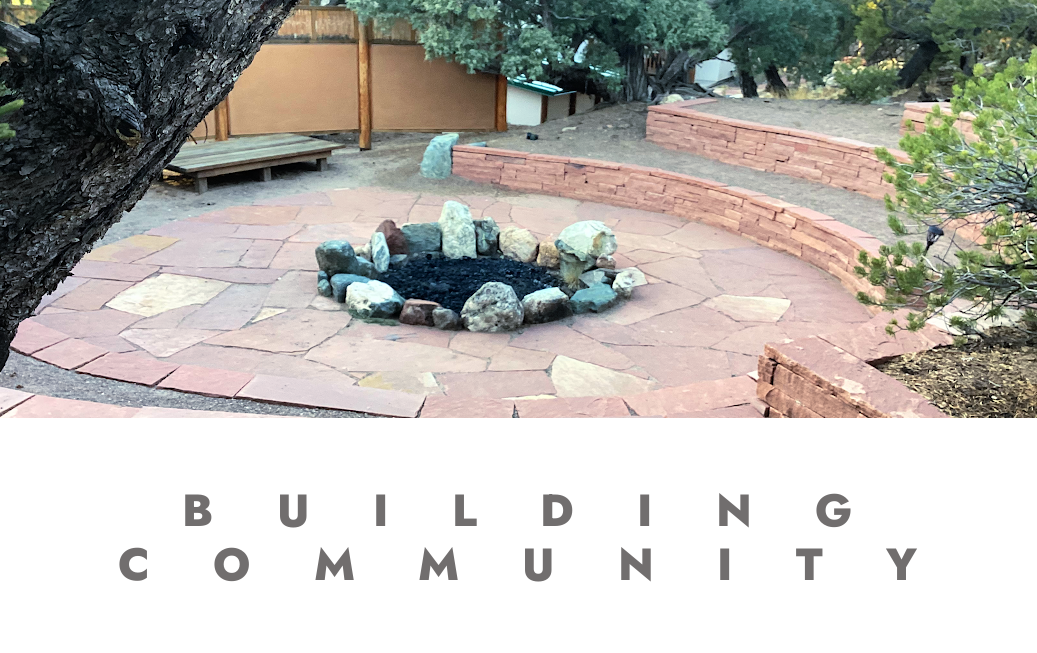
Acknowledging and providing space and activities to build community are critical components of the art of retreat leadership.
A central need for most retreat participants is the opportunity to join a new community of like-minded people. As a retreat leader, cultivating opportunities for connection is critical to fostering a supportive and inclusive environment. Icebreakers, thoughtful and playful activities, and shared meals allow participants to bond and build relationships based on trust and mutual respect.
Facilitating open and honest communication is essential for creating a safe space where individuals feel comfortable expressing themselves authentically. Building community is critical to developing trust and long-lasting connections with participants who want more, recommend the program to their friends, and return to your next event.
Check out Blazing Mountain in Colorado.
4. Plan and Be Spontaneous
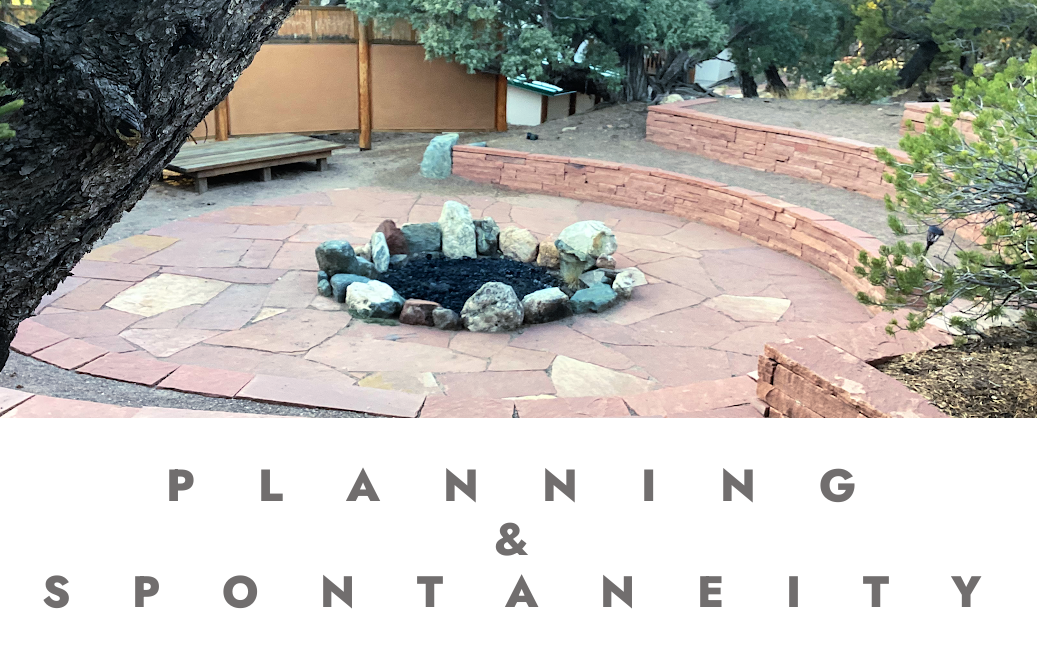
Providing a framework for the retreat helps participants feel supported while also creating space for spontaneity and organic moments, which truly makes a retreat memorable.
While spontaneity has its place in retreats, thoughtful planning and programming are essential for guiding participants through a coherent and meaningful journey. From meditation sessions and workshops to outdoor excursions and creative expression, a well-rounded itinerary offers a variety of experiences that cater to the group's diverse needs and interests.
As retreat leaders, we must strike a balance between structure and flexibility. If an opportunity arises that deviates from the planned agenda, we must know how to accommodate the diversion and then get back on track while staying mindful of the overall experience.

5. Inspire Transformation
Providing a framework for the retreat allows participants to feel supported while allowing space for spontaneity and organic moments, making a retreat memorable.
At the heart of retreat leadership is the commitment to inspire transformation. How we lead our participants to transformation often depends upon our ability to inspire. When we listen to the feedback from previous participants, we can discover what really resonates and works effectively.
A facilitator who tailors the agenda based on feedback can continue to improve the overall experience, ultimately leading to satisfaction, repeat customers, and a wider audience.
Participants want to explore their inner landscape, confront limiting beliefs, and cultivate self-awareness. They will be more willing to open to the experience if they are inspired and trust the facilitator.

6. Promote Growth
It behooves retreat leaders to prioritize post-retreat connection to support participants’ continued growth and build a network.
The impact of a retreat often extends far beyond its duration. As a retreat leader, nurturing integration is essential for supporting participants' continued growth. Supporting growth through community post-retreat is a great way to engage your participants.
Providing a forum for connection post-retreat is another way to excel in retreat leading. By fostering community, belonging, and connection, we help participants maintain momentum and sustain positive changes long after the retreat ends.
The balance of intention, facilitation, and inspiration creates a nurturing and transformative environment that empowers retreat leaders to guide participants on a journey of self-discovery, growth, and renewal that resonates long after the retreat ends.